
Pedal & Plate: A Cyclist’s Guide to Jeju Island’s Best Culinary Experiences
Jeju Island is widely celebrated as one of the most rewarding destinations for a cycling tour in South Korea, thanks to its dramatic coastal loops, volcanic landscapes, and quiet backroads. But the island’s appeal goes well beyond the ride itself. Jeju is also a culinary destination, where every day in the saddle leads naturally to unforgettable local flavors — creating truly memorable Jeju Island culinary cycling experiences. From charcoal-grilled black pork and ocean-fresh seafood to citrus treats and restorative noodle soups, Jeju offers a rare blend of active travel and food-focused discovery.
1. Jeju Black Pork BBQ: The Island’s Signature Dish
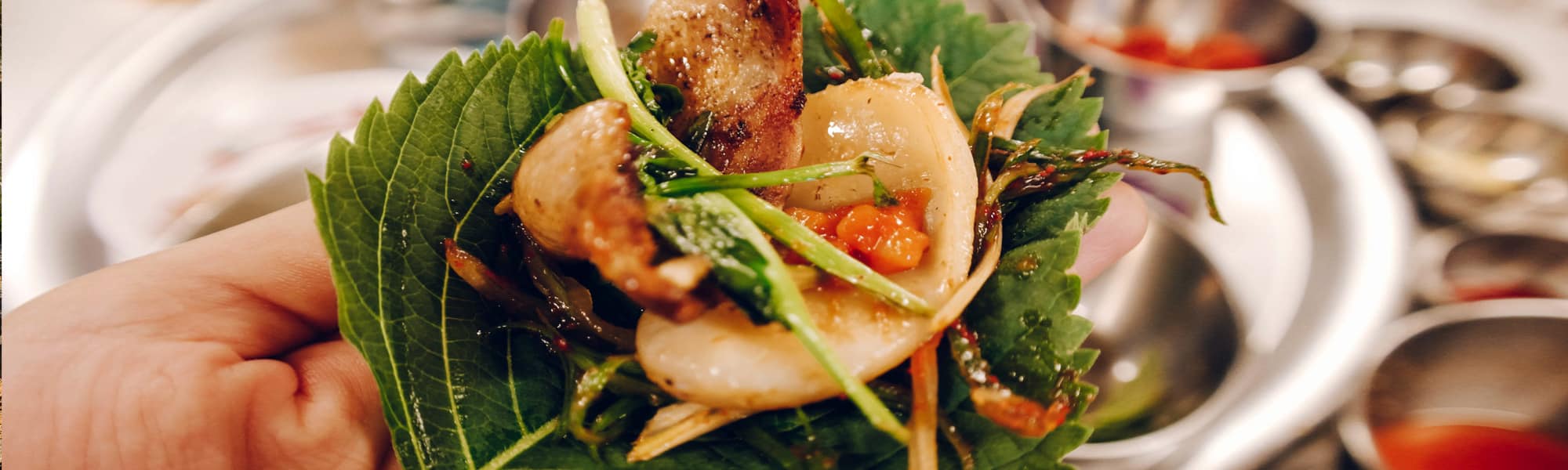
No Jeju Island cycling experience is complete without savoring its legendary black pork. Raised on Jeju’s volcanic soils and local feed, the island’s black pigs produce meat that is richer, juicier, and more tender than standard pork varieties. Grilled over hot charcoal, the pork develops a smoky aroma and a perfect caramelized crust, making it an unforgettable post-ride reward.
What makes Jeju black pork truly special is the balance of flavor and texture: the marbling keeps each bite succulent, while the slightly sweet, savory taste pairs perfectly with traditional side dishes such as fresh lettuce wraps, garlic slices, and tangy kimchi. After a long day exploring Jeju’s coastal roads and scenic loops, enjoying a meal of black pork BBQ feels like both a celebration and a chance to recharge.
Cyclists can find excellent black pork BBQ at numerous restaurants throughout Jeju City, most famously along the well-known Black Pork Street. For the best experience, consider stopping around lunch or early dinner to enjoy a more relaxed atmosphere and attentive service. Whether dining solo or with fellow riders, this iconic dish embodies the flavors and culture of Jeju, making it a must-try culinary highlight of any cycling tour.

2. Fresh Seafood from Jeju’s Surrounding Seas
Encircled by nutrient-rich waters, Jeju delivers some of the freshest, most flavorful seafood in Korea – an ideal match for cyclists looking to refuel with lighter, protein-rich meals while enjoying the island’s coastal scenery.
- Abalone (Jeonbok): Served grilled or as jeonbokjuk (abalone porridge), prized for both flavor and energy.
- Galchi (Hairtail) & Okdom Fish: Grilled or simmered in spicy stews that highlight Jeju’s maritime heritage.
- Sea Urchin & Seaweed Soup: Briny, mineral-rich, and deeply restorative after long coastal rides.
For the best variety, cyclists can stop at Dongmun Market in Jeju City or Seogwipo Maeil Olle Market, both perfectly suited for casual grazing and mid-ride breaks.
3. Local Comfort Classics: Gogi Guksu & Momguk
When cooler temperatures or longer distances call for something heartier, Jeju’s traditional soups deliver warmth and sustained energy.
- Gogi Guksu: Wheat noodles in a rich pork broth, unique to Jeju and ideal for a filling lunch stop.
- Momguk: A traditional seaweed and pork soup long valued for its restorative qualities.

4. Hallabong: Jeju’s Iconic Citrus Treat
Jeju’s volcanic soil produces hallabong, a sweet, aromatic citrus fruit found across the island. Cyclists encounter it in fresh juices, ice creams, desserts, and pastries – making it a refreshing reward during warm coastal rides.
5. Coffee, Tea & Jeju’s Scenic Café Culture
Jeju’s café scene rivals its landscapes, with many cafés perched above the sea or overlooking tea fields. A standout stop is the O’Sulloc Tea Museum & Tea Fields, where cyclists can sample Jeju green tea, matcha desserts, and seasonal treats in a tranquil setting—perfect for a post-ride pause.

6. Markets, Street Snacks & Everyday Island Flavors
Jeju’s local markets are ideal for cyclists seeking quick, flavorful fuel between ride segments. Look for haemul pajeon (seafood pancakes), grilled skewers, fresh fruit, and chilled hallabong juice.
7. Practical Food Tips for Cycling Jeju Island
- Plan meal stops around daily mileage, especially near towns and markets.
- Order smaller portions or share dishes to sample more local flavors.
- Eat seasonally—citrus in spring, chilled noodles in summer, warming soups in cooler months.
- Hydrate often, especially on exposed coastal sections.
8. Experience Jeju Island with Freewheeling Adventures
Freewheeling’s cycling tours in South Korea are designed for travelers who value both active exploration and cultural immersion. Our Seoul to Busan Cycling Tour and our Jeju Island Bike Extension pair scenic routes with memorable local cuisine.
On Jeju Island, riders enjoy spectacular coastal cycling alongside thoughtfully planned food experiences, from black pork BBQ and seafood feasts to café stops and market visits. It’s a journey where the ride, the flavors, and the sense of place come together – creating memories you’ll savor long after the tour ends.