
Cycling and Hiking in the Faroe Islands: Letting Nature Set the Pace
Cycling and hiking in the Faroe Islands isn’t about chasing distance, elevation, or personal records. It’s about moving slowly through a landscape that refuses to be rushed. Wind, fog, ocean, and light shape every ride and every walk. Some days the road disappears into cloud. Other days, the cliffs open up and the sea stretches endlessly below your feet.
This is a place where nature doesn’t sit quietly in the background – it leads.
Whether you’re pedaling a quiet coastal road or hiking above the waves, the Freewheeling Faroe Islands cycling or hiking tour, reward travelers who are willing to slow down, pay attention, and adapt.

1A Landscape Built for Slow Travel
The Faroe Islands feel purpose-built for unhurried exploration, with quiet rural roads and remote villages scattered across dramatic landscapes featured in the official Faroe Islands travel guide. One moment you’re riding beside a fjord so still it reflects the clouds; the next you’re climbing into wind shaped by the North Atlantic coastal climate.
Hiking offers the same rhythm. Many marked hiking trails across the Faroe Islands rise quickly from sea level to exposed ridges, revealing sweeping views across multiple islands and rugged North Atlantic sea cliffs and fjords that have made the Faroes famous for their raw beauty.
Cyclists and Hikers will traverse:
- Jagged sea cliffs & fjords: Quiet roads that hug dramatic coastlines.
- Lush valleys & rolling hills: Perfect for moderate climbs with rewarding views.
- Secluded ocean vistas: Panoramas of the North Atlantic that make every stop a photo opportunity.
This is slow travel in its purest form.

2Cycling the Faroe Islands: Quiet Roads, Big Weather
Cycling in the Faroe Islands is less about technical difficulty and more about conditions.
What makes Faroese cycling unique:
- Low traffic: Outside of the main routes near Tórshavn, roads are often empty.
- Short distances: Islands are compact, making it easy to combine riding with ferries and hikes.
- Constant wind: Direction matters more than gradient.
- Ever-changing visibility: Fog can roll in without warning, transforming familiar roads into something entirely new.
Climbs are usually short but punchy, and descents demand attention – not for speed, but for sheep, moisture, and sudden gusts. On many rides, you’ll stop frequently, not because you’re tired, but because the landscape insists on it.

3Hiking the Faroe Islands: Cliffs, Ridges, and the Sea Below
Hiking in the Faroe Islands is dramatic and deeply connected to the ocean. Trails often trace cliff edges, cross open grassland, or follow old paths between villages.
What sets Faroese hiking apart:
- Exposure: Many hikes are open and elevated, with few trees and wide horizons.
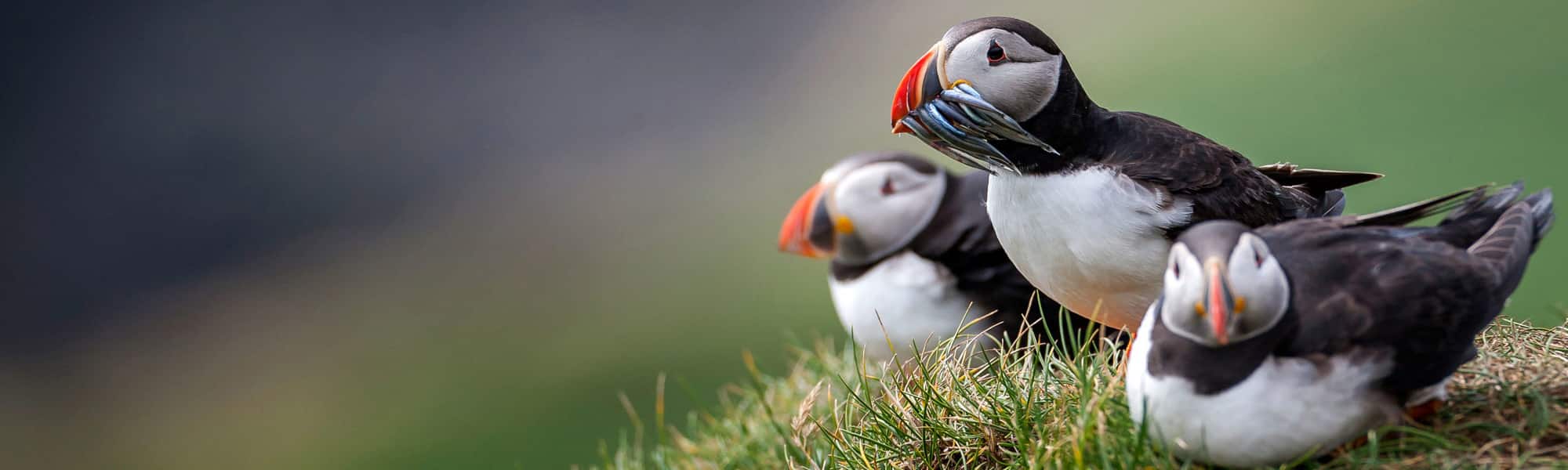
- Birdlife: Seabirds fill the air near cliffs during nesting season.
- Rapid weather shifts: Sun, mist, and rain can all appear in a single hike.
Some routes are well-marked; others are faint tracks across open land. Staying informed about trail access, seasonal closures, and local guidance is essential — not only for safety, but to protect fragile ecosystems outlined by the Faroe Islands hiking authorities and the country’s trail conservation program.

4Weather Isn’t a Problem – It’s the Point!
In the Faroe Islands, weather shapes everything.
Wind slows rides, fog softens the landscape, and rain brings out richer colors in the grass and rock. Instead of planning rigid itineraries, it’s better to leave room for adjustment. A day meant for cycling might become a short hike. A planned summit walk might turn into a café stop and a ferry crossing.
The most memorable moments often come when plans change.

5Moving Responsibly Through a Fragile Environment
The Faroese landscape is beautiful, but it’s also vulnerable.
Responsible travel here means:
- Staying on established paths when hiking
- Respecting seasonal trail closures
- Yielding to sheep (they always win)
- Avoiding sensitive bird nesting areas
- Leaving no trace—especially in remote areas
Cycling and hiking are among the most sustainable ways to explore the islands, but only when done with care and awareness.

6Combining Cycling and Hiking: The Best of Both Worlds
One of the great joys of the Faroe Islands is how effortlessly cycling and hiking complement each other. Quiet coastal roads often lead straight to trailheads, where a short walk can open up sweeping views over fjords, cliffs, and distant islands. A scenic ferry crossing can transform what might be a long day in the saddle into a relaxed half-day adventure, leaving more time to explore on foot.
Some of the most memorable moments come from blending the two — riding through ever-changing landscapes, then slowing down to climb a ridge, wander a valley, or linger at a viewpoint. Rather than choosing between wheels or walking, the Faroes invite you to experience both, creating a journey shaped by curiosity, flexibility, and the rhythm of the land.

Why the Faroe Islands Stay With You
Long after the ride ends and the boots are off, what lingers isn’t the distance or the stats. It’s the sound of wind moving through grass, the smell of salt in the air, the way clouds lift just long enough to reveal a village far below.
Cycling and hiking in the Faroe Islands is about presence. About accepting what the day gives you. About letting nature set the pace – and discovering that slower often feels richer.
For travelers ready to experience the Faroe Islands this way, Freewheeling Adventures offers two immersive cycling and hiking tours that showcase the islands’ wild landscapes – contact our team for help choosing the right itinerary and taking care of the planning and booking.
 Tips for Visitors
 Tips for Visitors
- Check ferry schedules in advance: Long-distance routes, like the Smyril Line connecting the Faroe Islands with Denmark and Iceland, run less frequently outside the summer season. Plan ahead to align ferry crossings with your cycling or hiking itinerary. Smyril Line schedules.
- Use local ferries for island hopping: Short crossings between islands such as Suðuroy, Sandoy, and Streymoy can turn a long ride into a half-day adventure or open up new hiking trails. Check updated timetables close to your travel dates: Visit Faroe Islands – By Sea.
- Bring a flexible mindset: Weather changes quickly in the Faroes, and some trails may be closed seasonally or temporarily for conservation. Allow extra time to adjust your route, combine cycling and hiking, or linger at viewpoints for photos and wildlife spotting.
- Pack light, but smart: Even short ferry rides require tickets, and space can be limited for bicycles. Bring a small backpack with essentials like water, snacks, rain gear, and a camera.
- Respect fragile ecosystems: Stick to marked trails whenever possible, avoid trampling vegetation, and follow any local guidance. This helps preserve the islands’ unique landscapes for future travelers.